Simple Steps to Be Home-Safe this Fire Season
By Todd Hollett
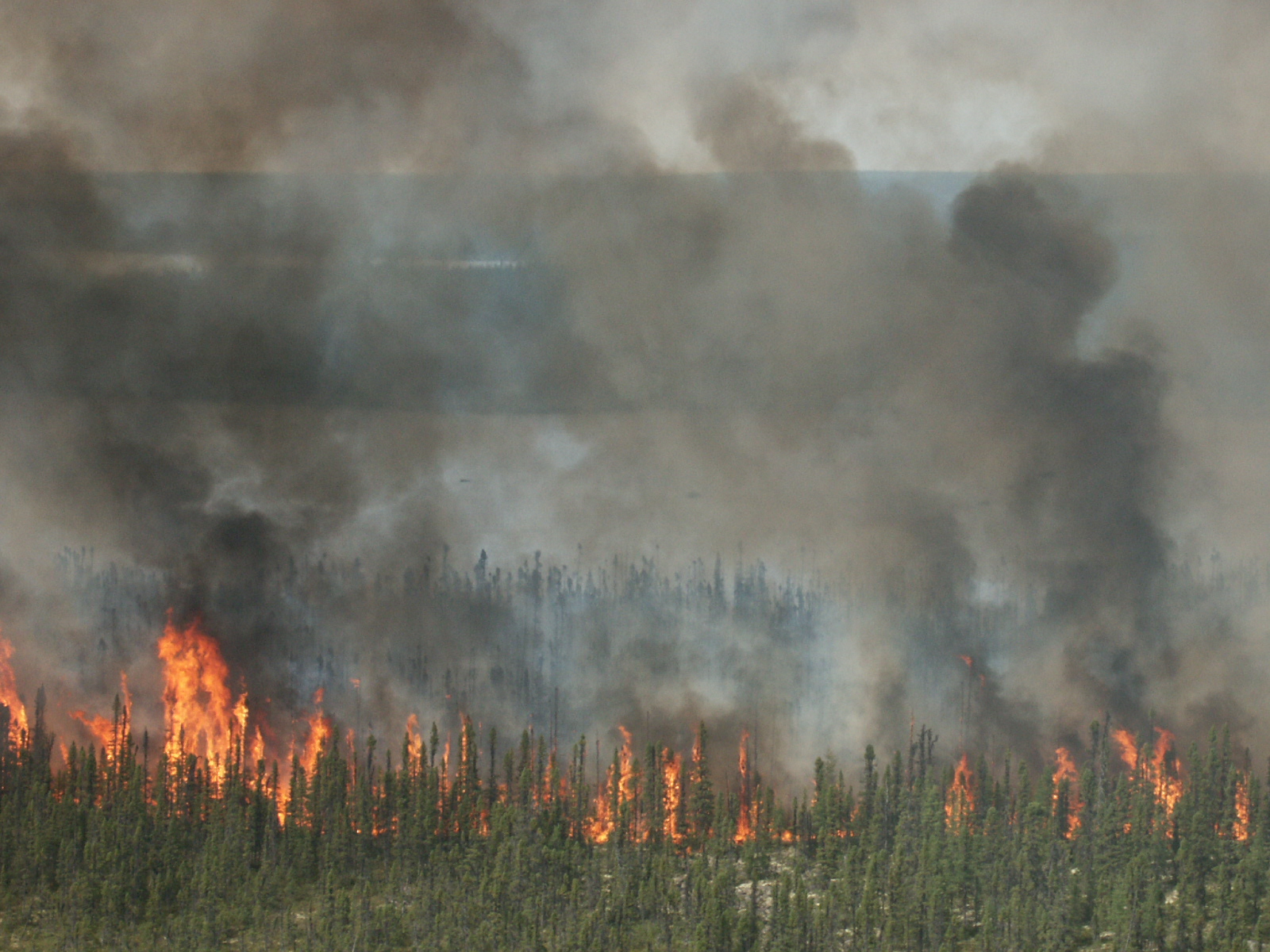
The risk of wildfire is ever-increasing in Canada, and that spells danger for many communities. We need to take steps to protect our homes and properties from wildland fires. Newfoundland and Labrador has no shortage of forested land, with many communities encroaching further into areas surrounded by a mix of trees, shrubs and other vegetation. These areas where human development meets or mixes with the natural environment are known as the Wildland-Urban Interface. The fire season in Newfoundland and Labrador generally runs from May to October, and many smaller wildland fires occur outside of these months. This season, by following some simple steps, you could reduce that risk to your home.
Fire Science
Wildland fires spread in three ways: embers and sparks, extreme heat transfer and direct flame contact. 90% of fires that spread to homes do so through falling embers, which are often transported 2-10 km in extreme circumstances from the main fire body by wind. Homes are ignited when sparks and embers make contact with flammable materials on or near structures. If embers can be prevented from reaching your home, you may be able to save it.
Home Ignition Zone
The home ignition zone is a science-based three-zone area surrounding a home that extends 30 m out, where fuels are managed to reduce the risk of wildfire spreading to the structure. The most critical area is closest to the home.
The first zone, the immediate zone, lies 0 to 1.5 m around the home. This area should include attached structures such as decks and garages, non-combustible materials and be clear of vegetation down to mineral soil or covered with gravel, brick or concrete. You should also avoid planting woody shrubs or trees or pruning existing vegetation regularly.
Next is the intermediate zone, 1.5 to 10 m. The intermediate zone should contain only fire-resistant vegetation, such as poplar, birch, aspen, maple or alder, and other non-combustible landscaping materials. You should avoid placing firewood, construction materials, patio furniture, tools, mulch and lawn decorations in this area. Trailers, recreational vehicles, sheds and other combustible structures should be moved further from the house. It’s a good idea to incorporate non-combustible ground cover, such as gravel, under any combustibles stored here.
The extended zone, 10 to 30 m out, is intended to reduce a fire’s intensity. Some helpful tips include thinning evergreen trees to create at least 3 m space between single or grouped trees. Tree branches should be pruned to a height of 2 m from the ground, and any accumulation of fallen branches, leaves, needles and grass should be removed. You could also work with your neighbours in overlapping zones to do the same. If you live in an area with conditions such as steep slopes, you could seek guidance from a local forestry professional.
Decks and Porches
Fire can quickly ignite decks and porches, spreading to the attached house. Most of these structures are constructed from flammable materials such as wood or plastic and have combustibles stored on or under them and vegetation around them, all of which contribute to vulnerability to ignition. Decks with spaces between boards allow debris to accumulate beneath the structure, increasing the risk of ignition by embers.
When building or repairing a deck, you could consider replacing older boards with non-combustible or fire-rated materials, capping all joists with flashing or foil tape, installing fire-resistant screens to protect undersides and foundations, creating and maintaining a non-combustible surface under and 1.5 m around the deck and replacing boards that have large cracks or rot.
Gutters, Eaves and Vents
One of the biggest areas of combustible debris accumulation that creates entry-points for embers is your gutters, eaves and vents. Unscreened vents and open eaves allow heat and sparks to enter a building and ignite homes.
It’s recommended to install screens with a minimum of a 3 mm mesh over or behind vents and ensure soffit and flashing are non-combustible. All vents and openings should be inspected regularly, cleared of debris and repaired. Soffit or boxed-in eave designs help prevent entry of embers and sparks, and debris should be removed from all gutters. Screening gutters with metal mesh should be considered to reduce the accumulation of debris.
Lawns and Yards
The area surrounding our homes, out to 100 m from the foundation, can greatly reduce the risk of wildfire impact.
Some major hazards are created when we store firewood piles, building materials, lawn furniture, decorations and tools against or near our homes. Mulch used in landscaping may ignite and increase the risk of direct flame spreading to your home. Many plant evergreen trees near their homes, and while these may provide shelter from the wind, they are highly flammable and should be planted no closer than 10 m from your house.
To help protect your home, you should ensure a non-combustible surface extending out to at least 1.5 m. If you want to plant trees or shrubs around your property, select a few fire-resistant species such as birch, aspen or maple while avoiding spruce, fir, pine and cedar, and use material such as gravel, concrete or brick instead of pine needle or bark mulch within 10 m. Keeping a well-maintained lawn helps make your yard more fire-resistant, as grass shorter than 10 cm burns less intensely. Remove any accumulation of fallen branches, needles and dry grass.
Tree branches should be trimmed to a height of 2 m from the ground on trees within 30 m of the house. Weeds, grass and shrubs should be cut from around large propane or home-heating fuel tanks, and any flammable materials should be removed.
All firewood should be stored a minimum of 10 m away from the house, including sheds, trailers and recreational vehicles.
If you have a wooden or other combustible material fence that attaches to your home, any vegetation should be cleared from around it. The gate can be secured open to allow a quick escape route.
Taking small steps to protect your home and property is a movement in the right direction. It may seem small to move a wood pile or rake up fallen needles from the pine on your lawn, but it is another step closer to making your home a little more fire-smart and fire safe.