


709-726-5113 Facebook Button Twitter Button LinkedIn Button Instagram Button
  • My account
  • Advertise
  • About
  • Contact
Downhome Logo Image Downhome Logo Text
709-726-5113
Downhome Logo Image Downhome Logo Text
  • Magazine
    • Downhome
    • Explore Downhome
    • Inside Labrador
  • Explore Travel Guide
  • Submissions
  • Puzzles
  • Recipes
  • Shop
  • Gift Guide
  • Contests
Submit Submit
Cart Cart
Birds Subscribe
Birds Login

Menu
Submit Submit
Birds Subscribe
Birds Login

Menu
Downhome Logo Image Downhome Logo Text Exit Button
  • Downhome Magazine
  • Inside Labrador
  • Explore Travel Guide
  • Submissions
  • Puzzles
  • Recipes
  • Shop
  • Advertising
  • About
  • Contact
  • Contests
Birds

Submissions

Arrow-Right

Newfoundland’s Inshore Fishery: Survival or Starvation

Newfoundland’s Inshore Fishery: Survival or Starvation

Submitted by: Downhome
824 Views | 6 Likes

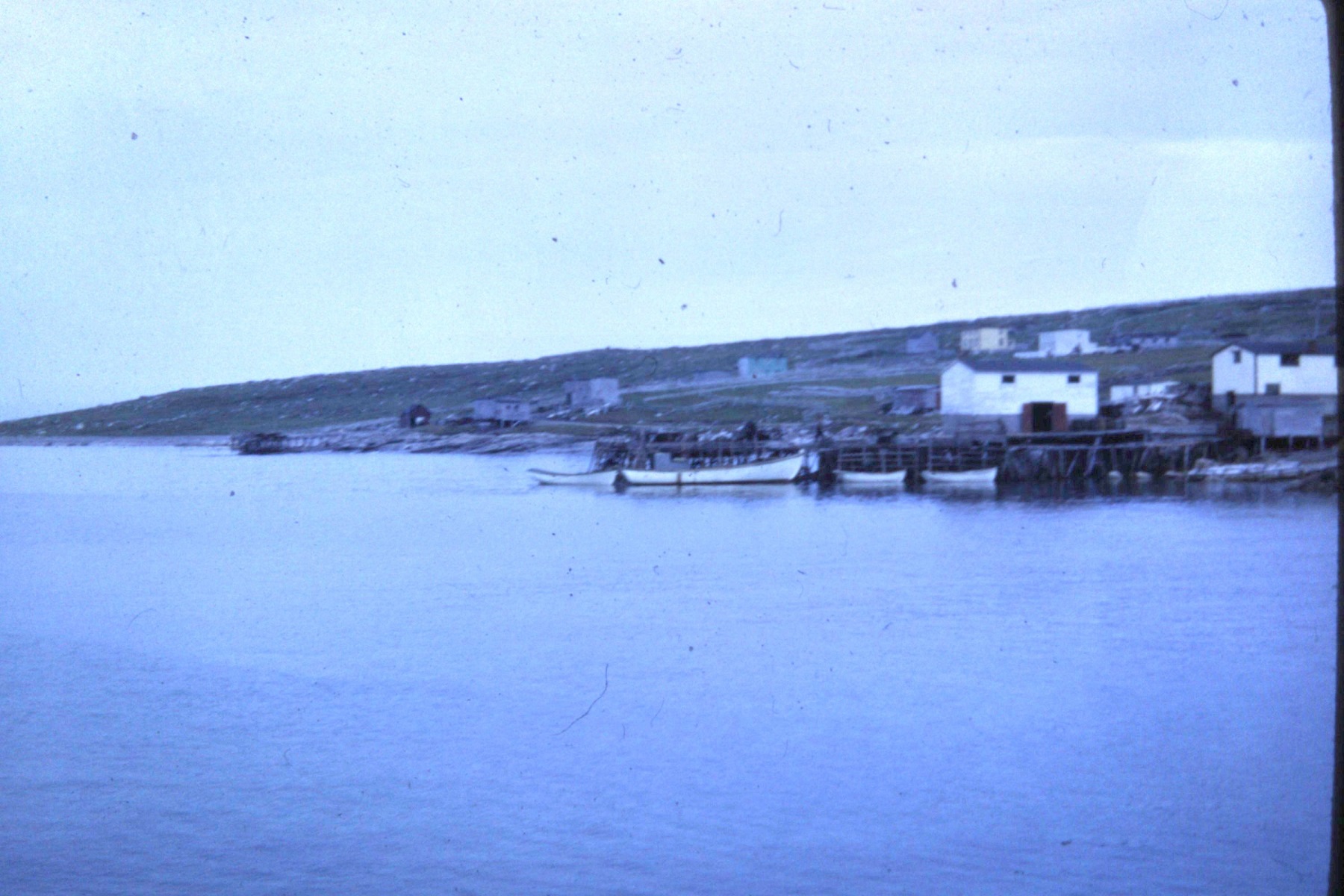
The more permanent settlers in Newfoundland in the late eighteenth century settled in coves, on coastal headlands or offshore islands as they had to row or sail to the fishing grounds. This fishery was carried out close to shore, using small boats and included the production of dried and salted codfish. About a century later, the fisherman's productivity increased with the emergence of the cod trap, and his labour was made less intensive in 1910 by the ensuing make and break engine. This led in turn to larger boats called trap skiffs. During my school days at Old Perlican in the 1940s, two things stand out that occurred in the month of June. The inshore cod fishery was just getting started for the season. I can still see trap skiffs towing a rodney coming around the old breakwater point, both laden down to the gunwales with fish. At times, they disappeared from sight riding the troughs of the turbulent waves; one wondered if they could make it to shore. But, alas, the fearless fishermen soon pulled into the stage head with their oilskins all-a-drippin. June was also capelin season; it often coincided with the lilac season but their resonating aromas couldn't be more diverse. There was hustle and bustle at the beach; horse and box carts, wheelbarrows, buckets and cast nets were cluttered haphazardly, as crowds of people gathered fertilizer for their gardens. I recall wheeling a load of capelin along by the school classroom where the higher-grade students were writing their C.H.E. exams. Once school was out, boys gravitated to the centre of activity (where all outport boys went), to the beach and the stage head. In the early summer when cod chased the capelin into the rocks, the wharves and stage heads were alive with activity. Some crews hauled the cod trap up to four times a day, leaving the dock at three in the morning. The rhythmic put-put chugging of the make and break was ubiquitous throughout the harbour. Some could even associate the sound of the Acadia, Atlantic, or Hubbard with the skiff's owner. There was one fisherman who still clung to the old method of using a small boat with a sail. I can still see him in late afternoon slowly making his way to port with his day's catch. He skillfully mobilized the force of the wind in the sail and the angle of attack to propel his craft to port. A few times I kept the fish box filled; in return I was given a liver note whereby I could collect ten or fifteen cents at the liver factory. Tom cods were thrown over the stage head to be siphoned up by a voracious cluster of gulls? Fish was processed late at night under a single light bulb or lantern. When the last fish was split and the fishermen's clothes and stage head were washed down, someone would go to the stage to assist the salter with his excess congestion. Just enough time for a few hours' sleep, and then tomorrow's rerun. With so much broken rest, it was a relief to catch a few winks on the return from hauling the trap. And Sunday, of course, was a day of rest. The inshore fisherman's life was synonymous with toil, sweat, and drudgery. Hard work is one thing; economic security is another. The entire family shared the burden of helping provide such security. Younger members of the family assisted in gardening, hay-making, berry-picking and chores associated with the curing of salt fish on the flakes. One cannot underestimate the part played by women in the inshore fishing enterprise. Women shouldered half the load of work in rural households; their toil often made the difference between survival and starvation. They would be on the wharf or stage head with breakfast for not only family members but other crew members when they arrived with their early morning catch. In addition, their regular daily routine included cleaning, cooking, preserving, and making clothing for the children. Women were at the forefront in the gardening: cutting the seed potatoes, planting, weeding, fertilizing, and harvesting the crops. They may have had animals to attend, which required the harvesting of hay. I can recall a woman carrying on her back in the heat of a mid- summer sun a specially designed net filled with hay. She nonchalantly tossed the pile through the doorway of the upper story of the barn. Perhaps the most demanding and time-consuming task of the fishery for women was the drying and curing process of the saltfish. Once the salted fish were washed out, the women would then spread them onto wooden fish flakes to dry in the sun until cured. The women tended the fish, taking it in each night, and often, hastily and vigilantly, during the day when the skies looked ominous. Our early outport people were not given too many options; their livelihood, and very existence, was dependent on the salt cod fishery. Their actual survival was contingent on the collective effort of people working together for a common cause. A small sample, perhaps, that we all are an integral part of the web of life, reminding ourselves we do not weave the web but are just a strand in it. Just as fuel drives the engine of the trap skiff, so teamwork is the fuel that allows ordinary people to attain extraordinary results. Above Photo: Barrett's Stagehead Submitted by Charles Beckett, Gambo, NL   Submitted By: NULL

6
Unlike
SHARE:
Link Copied!

Downhome no longer accepts submissions from users who are not logged in. Past submissions without a corresponding account will be attributed to Downhome by default.

If you wish to connect a submission to your new Downhome account, please create an account and log in.

Once you are logged in, click on the "Claim Submission" button and your information will be sent to Downhome to review and update the submission information.

MORE FROM AUTHOR

Pumpkin gathering 2023.
Downhome
Gander, N.L.
1470 Views | 7 Likes
Winter scene
Downhome
Corner Brook, NL
1879 Views | 6 Likes
Steady Brook Falls
Downhome
Pasadena NL
4107 Views | 16 Likes
Downhome in Shanghai
Downhome
Shanghai, China
1999 Views | 16 Likes
Some day on clothes
Downhome
1578 Views | 8 Likes
Sweet Molly
Downhome
1420 Views | 10 Likes
OK OK – I’ll be right there
Downhome
1215 Views | 5 Likes
Mirror Mirror on the Wall
Downhome
1503 Views | 5 Likes
Are you ready for Remembrance Day? Are you wearing your Poppy?
Downhome
1863 Views | 10 Likes
« 1 … 16 17 18 19 20 … 1,804 »

MORE FROM DOWNHOME LIFE


Recipes

Enjoy Downhome's everyday recipes, including trendy and traditional dishes, seafood, berry desserts and more!

Puzzles

Find the answers to the latest Downhome puzzles, look up past answers and print colouring pages!

Contests

Tell us where you found Corky, submit your Say What captions, enter our Calendar Contest and more!
shop image

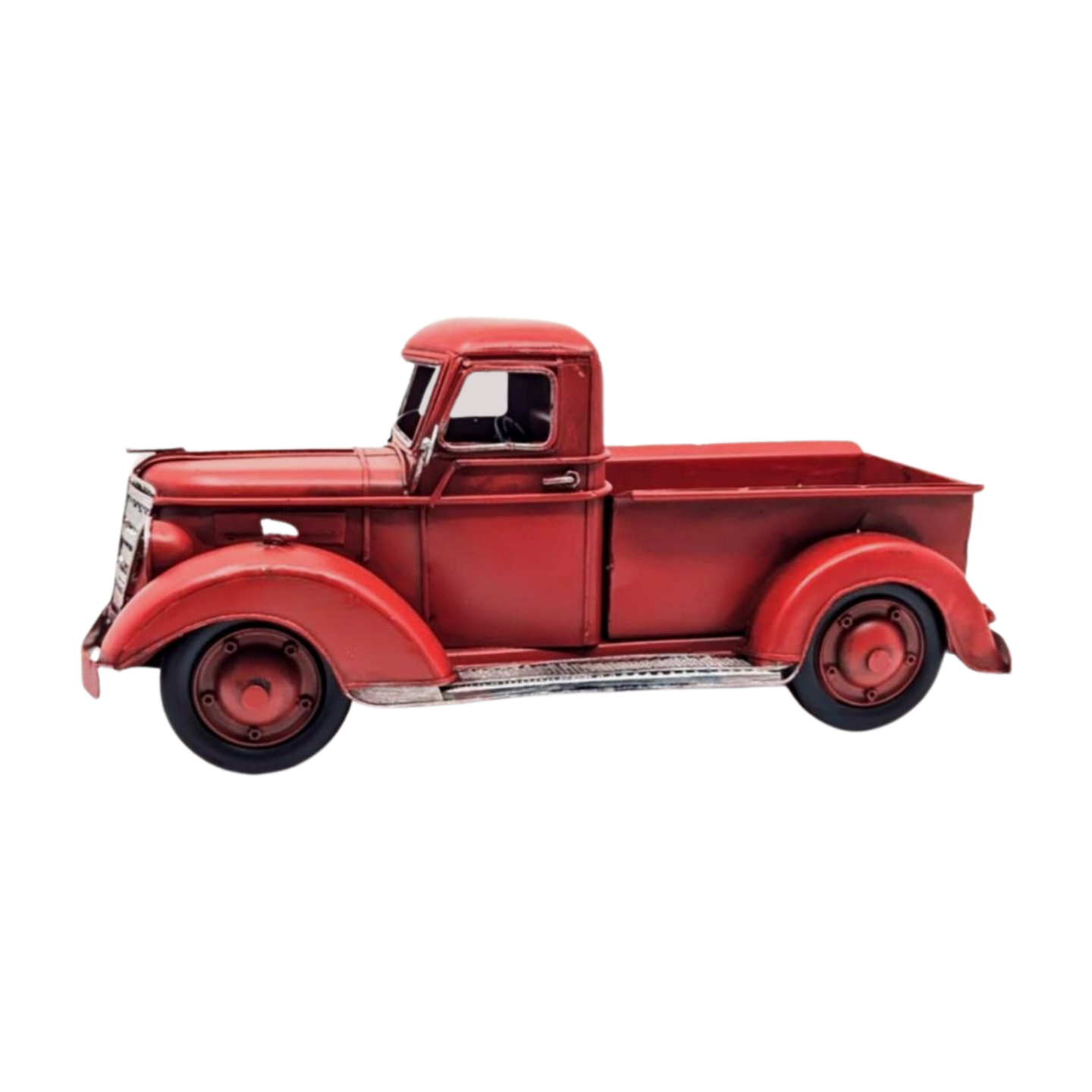
Vintage Metal Truck


$32.99

shop image

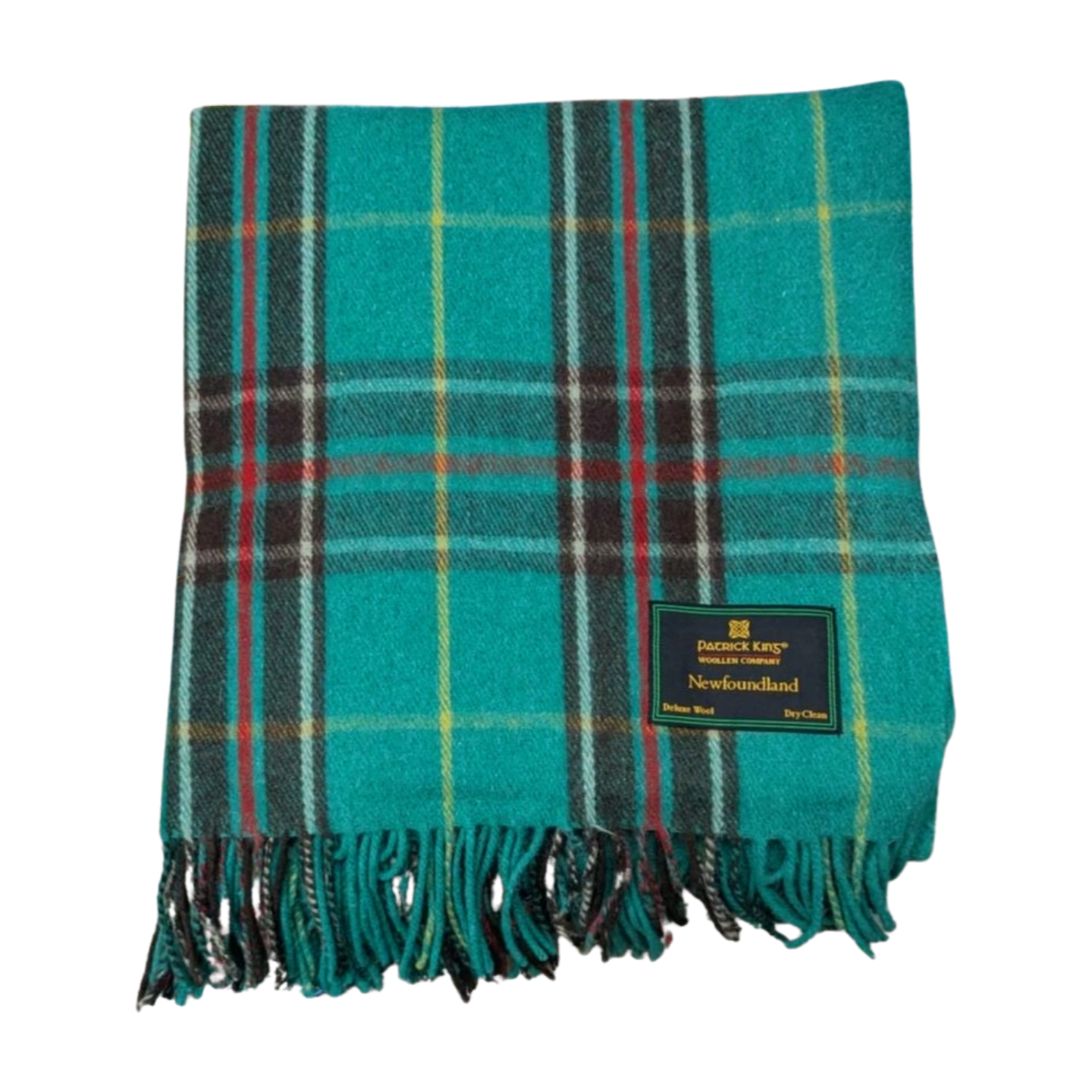
Newfoundland Tartan Wool Blanket


$79.99

shop image

Downhome 2025 Calendar


$7.95

shop image

Gift Card: ShopDownhome.com


Downhome Logo
  • Magazine
  • Submissions
  • Contests
  • Shop
  • About
  • Advertise
  • Contact
  • Downhome Expo

Sign up for our newsletters with the latest promotions,sales, contests, and events!

©2024 Downhome Life, All Rights Reserved
  • Privacy Policy
  • Terms of Use
  • Accessibility
  • Sitemap
Design & Technology JAC
Facebook Button Twitter Button LinkedIn Button Instagram Button