709-726-5113 Facebook Button Twitter Button LinkedIn Button Instagram Button
  • My account
  • Advertise
  • About
  • Contact
Downhome Logo Image Downhome Logo Text
709-726-5113
Downhome Logo Image Downhome Logo Text
  • Magazine
    • Downhome
    • Explore Downhome
    • Inside Labrador
  • Explore Travel Guide
  • Submissions
  • Puzzles
  • Recipes
  • Shop
  • Gift Guide
  • Contests
Submit Submit
Cart Cart
Birds Subscribe
Birds Login

Menu
Submit Submit
Birds Subscribe
Birds Login

Menu
Downhome Logo Image Downhome Logo Text Exit Button
  • Downhome Magazine
  • Inside Labrador
  • Explore Travel Guide
  • Submissions
  • Puzzles
  • Recipes
  • Shop
  • Advertising
  • About
  • Contact
  • Contests
Birds

Submissions

Arrow-Right

Coming Full Circle: How the Fifth and Sixth Generations Returned to Our Family Land

Coming Full Circle: How the Fifth and Sixth Generations Returned to Our Family Land

Submitted by: Heritage Homestead
15 Views | 0 Likes

On the plateau between the Robinsons River and the Barachois River on Newfoundland’s west coast, five generations of one family have made their living—and their lives—on the land. For years it sat quiet, grown in and nearly forgotten. Today, it is busy again with the sound of tools on wood, animals in the fields, and traditions being lived instead of talked about. The story of how the fifth and sixth generations came back to their family land is a familiar Newfoundland one: leaving for work, carrying skills with you, and always knowing where home is.

The story begins a long way from here. William Alfred Cook Sr. was born William Alfred Cox in Sherborne, Dorset, England, in 1846. In 1864, he came to Newfoundland aboard a British naval vessel—and stayed. After jumping ship, he changed his surname to Cook and settled in Robinsons Head. On March 17, 1869, he married Rose Ann Shears, and together they began a life shaped by weather, hard work, and determination.

By the late 1890s, William Alfred Sr. and Rose Ann moved across the river to Cartyville. Their home stood on a high plateau between two rivers, open to the wind and looking out toward the coast. It was a hard place to live, but a good one. They raised eight children there, though only four survived to adulthood, a reminder of how unforgiving outport life could be at the time.

Those who grew up carried the family forward. Mary Ann, Richard Thomas, and William Alfred James Cook Jr. all settled in Cartyville, firmly rooting the Cook family on the land. By the time of the 1911 census, William Alfred Sr. was among the oldest residents in the community, having lived long enough to see his family well established.

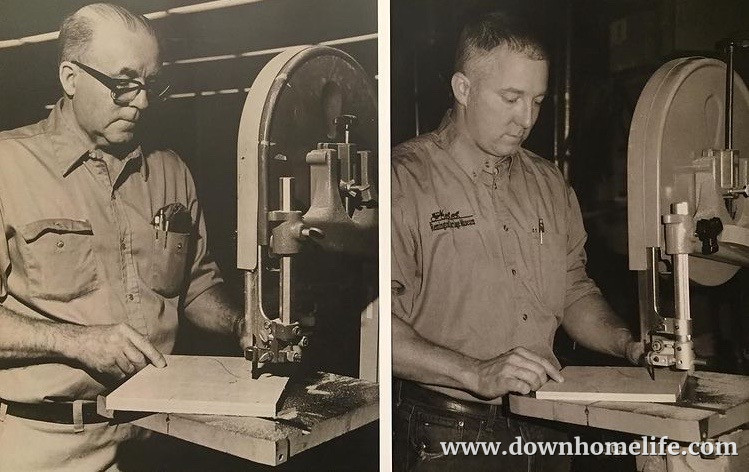
The next generations carried on not just the land, but the habit of working with their hands. William Alfred James Cook Jr. and his wife, Lily Rhoda Gillam, raised five children, including William Hilary Cook. By 1936, Hilary was listed simply as a “furniture maker.” He attended school for joinery and cabinet making in St. John’s as a young man.

Hilary married Louise Gosse, and together they raised their sons, William Verne Cook Sr. and Alec Maynard Cook, on the family land until 1964. Like many families then, they left Newfoundland in search of work. The land was left behind, but the skills went with them. Hilary worked first in boat building, then spent 18 years in the restoration and woodworking shop at the Royal Ontario Museum. His work was later recognized in Walter Peddle’s The Dynamics of Outport Furniture and Design, tying his career back to his roots.

The fourth generation—Verne Sr. and his brother Alec—learned the trade from their father and became cabinet makers themselves. Together, they ran Probilt Kitchens Ltd. for more than 20 years. For the next generation, woodworking was never a choice; it was simply part of growing up.

By the age of seven, William Verne Cook Jr. was already in the shop. At fourteen, he was building full kitchens alongside his grandfather, father, and uncle. At fifteen, he helped complete museum exhibits for the Museum of Civilization in Hull, Quebec. By seventeen, he knew the trade from design to installation.

Though his path later turned briefly toward custom automotive work—including national recognition on Global TV’s War of the Wheels—working with his hands remained central. Marriage, children, and years of work across Ontario and Alberta followed. In Alberta, he restored historic carriages and sleighs for the Remington Carriage Museum and the Royal Alberta Museum, while building a small homestead with his family.

The turning point came in May 2016, when his father passed away suddenly. The decision was immediate: it was time to bring him home—and to come home themselves.

After years of planning and a difficult cross-country move during the pandemic, the fifth generation returned to Cartyville with their children, the sixth generation. The land had not been lived on since the 1960s. It was grown thick, hard to reach, and marked only by stone and rubble where buildings once stood.

Work began in January 2022. Roads were cut through alders, culverts laid, and a small cabin built. A barn followed, set on a hand-laid stone foundation and timber framed with lumber milled on the land. A workshop, gardens, fences, trails, and animals soon brought the place back to life. 

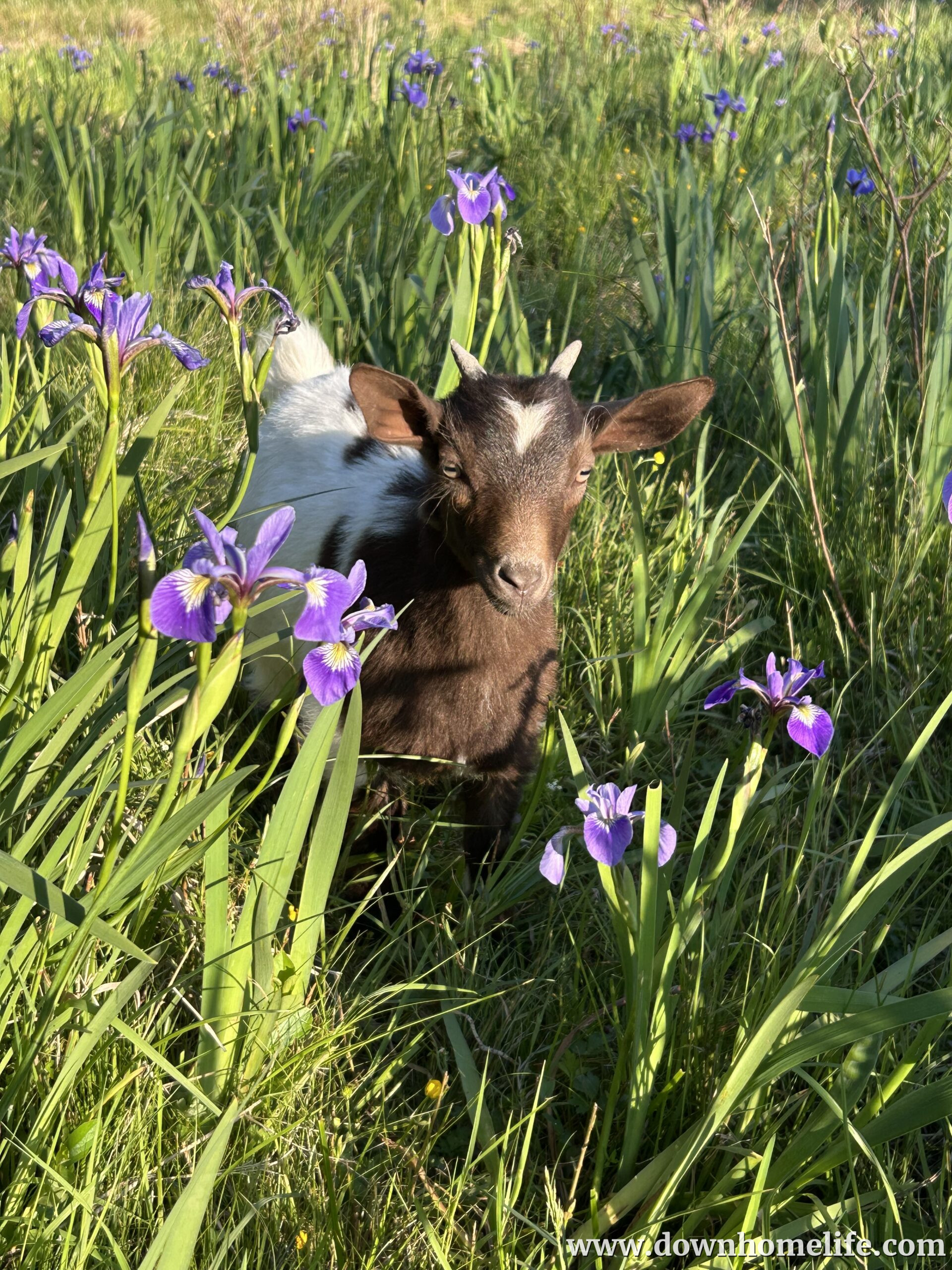
Today, the land is alive again. The workshop will blend five generations of knowledge—cabinet making, furniture building, wheelwrighting, blacksmithing, upholstery, and restoration. Spinning wheels once built by earlier generations, and now displayed at NONIA in St. John’s, will be made again using original family plans. Goats roam newly cleared trails, welcoming visitors into a living landscape of history.

For the fifth and sixth generations, coming back was not just about returning. It was about carrying on. The past is not tucked away—it lives on in wood, stone, and steel, shaped by the same hands, on the same ground, where it all began.


By William Verne Cook Jr. 


More info on Heritage Homestead and Atlantic Carriage Works can be found at Atlanticcarriageworks.com or on social media 

FaceBook @ Heritage Homestead,  Atlantic Carriage Works 

Instagram @ Heritage_homestead,  atlanticcarrigeworks,  wmcookandsons

TikTok #atlanticcarriageworks

0
Like
SHARE:
Link Copied!

Downhome no longer accepts submissions from users who are not logged in. Past submissions without a corresponding account will be attributed to Downhome by default.

If you wish to connect a submission to your new Downhome account, please create an account and log in.

Once you are logged in, click on the "Claim Submission" button and your information will be sent to Downhome to review and update the submission information.

Leave a Comment

Subscribe
Login
Notify of
Please login to comment
0 Comments
Oldest
Newest
Inline Feedbacks
View all comments
MORE FROM AUTHOR

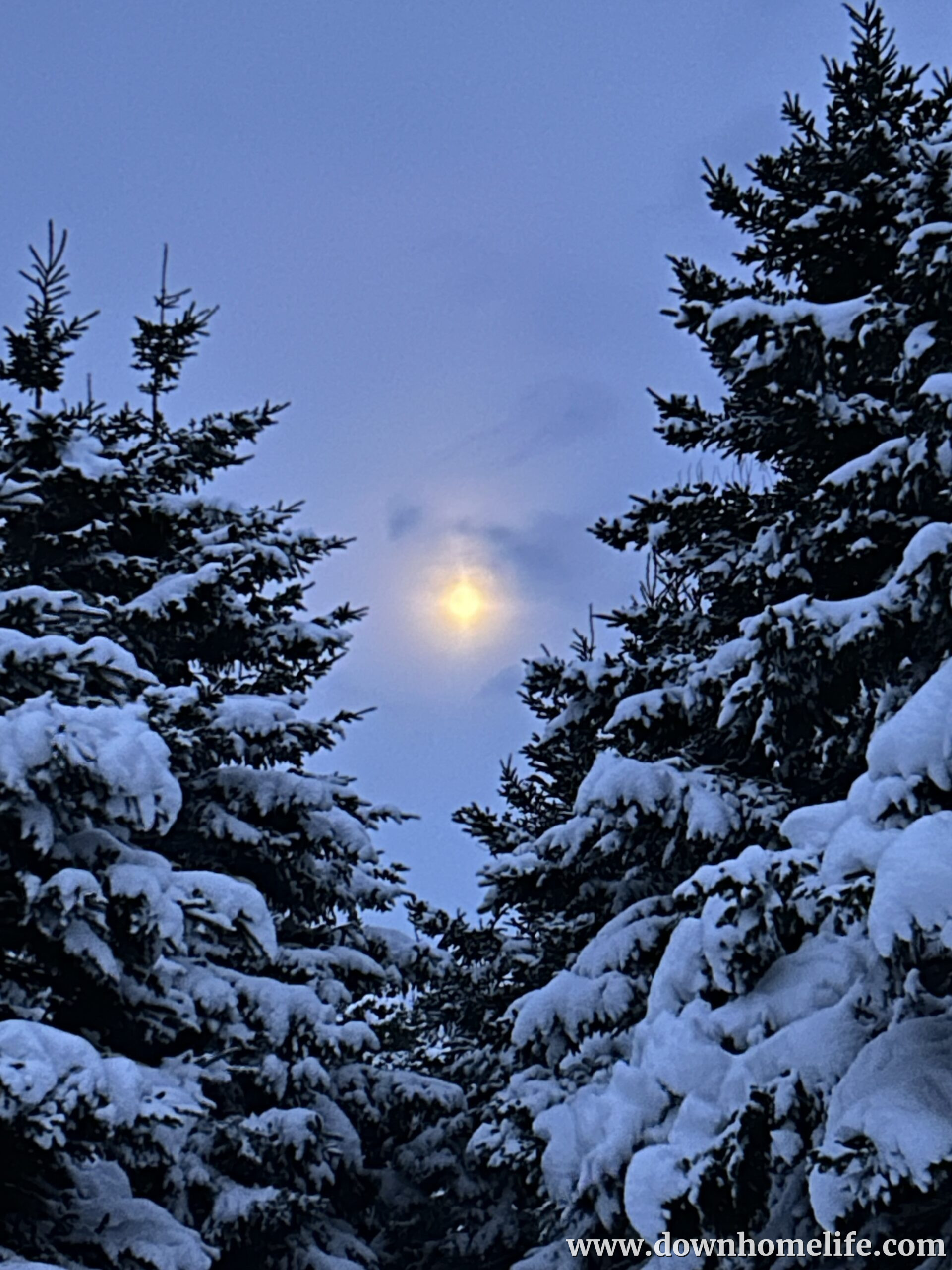
Moonlit trees
Heritage Homestead
Cartyville, NL
10 Views | 1 Likes
Our sweet goat Pickles
Heritage Homestead
Cartyville, Heritage Homestead
32 Views | 3 Likes

MORE FROM DOWNHOME LIFE


Recipes

Enjoy Downhome's everyday recipes, including trendy and traditional dishes, seafood, berry desserts and more!

Puzzles

Find the answers to the latest Downhome puzzles, look up past answers and print colouring pages!

Contests

Tell us where you found Corky, submit your Say What captions, enter our Calendar Contest and more!
shop image

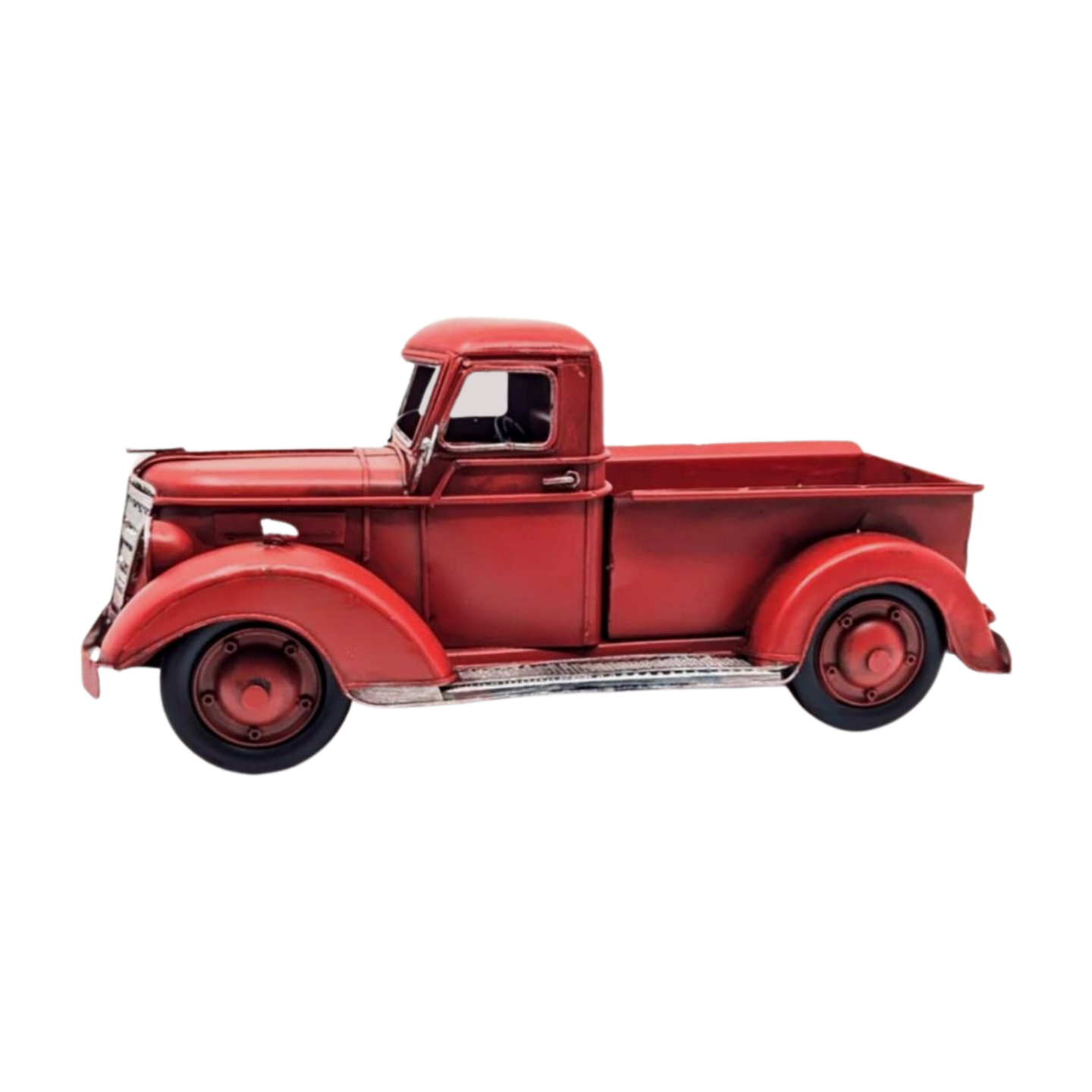
Vintage Metal Truck


$32.99

shop image

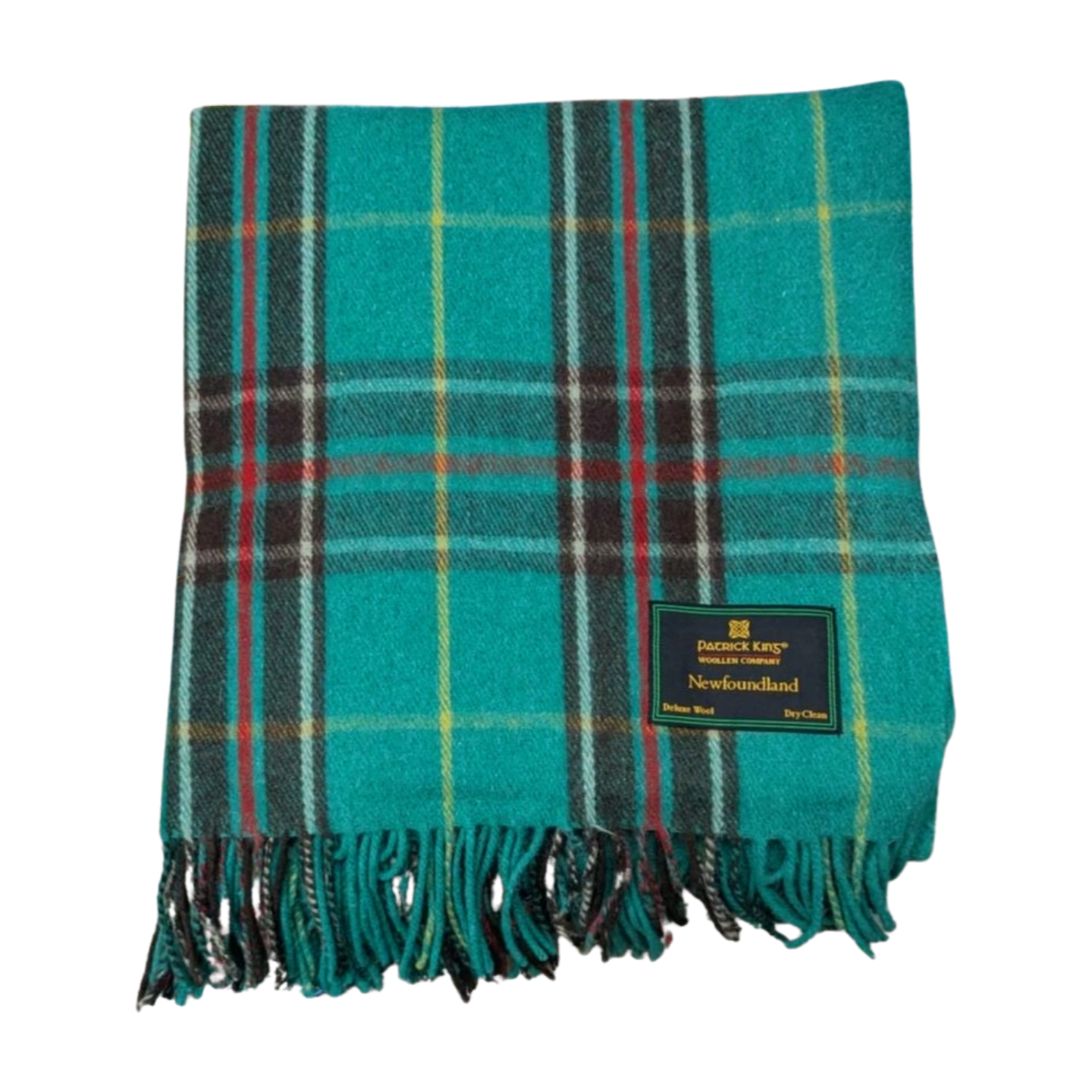
Newfoundland Tartan Wool Blanket


$79.99

shop image

Downhome 2025 Calendar


$7.95

shop image

Gift Card: ShopDownhome.com


Downhome Logo
  • Magazine
  • Submissions
  • Contests
  • Shop
  • About
  • Advertise
  • Contact
  • Downhome Expo

Sign up for our newsletters with the latest promotions,sales, contests, and events!

©2024 Downhome Life, All Rights Reserved
  • Privacy Policy
  • Terms of Use
  • Accessibility
  • Sitemap
Design & Technology JAC
Facebook Button Twitter Button LinkedIn Button Instagram Button
wpDiscuz