Chores Of Yore
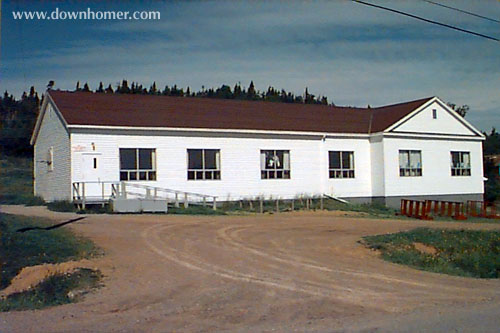
Some suggest there is a correlation between poverty and self-sufficiency (people who build their own homes, provide their own food, and make their own clothing). Those who grew up in the 1930s and 40s in Newfoundland can readily relate to both poverty and the chores associated with a self-reliant economy. However, it was an advantage during the Great Depression to being somewhat independent; we didn't wind up on the sidewalk for failure to pay our rent. I've been ruminating about the chores involving family and friends, since simple living meant collective support for survival. The daily chores revolved around water and wood. It was customary to have a water barrel, on the back doorstep or in the back porch, which required filling every day. A friend of mine used a hoop (although it was a square wooden frame) to facilitate carrying 2 buckets of water to a neighbour about 300 feet from his well. Wood and splits (from which Dad would make shavings or bavins) were brought inside for the night; since Old Perlican barrens were unfavorable for wood harvesting, our alternate source of fuel meant keeping the coal bucket filled. The seasonal chores were more intensive and strenuous. Potatoes, being a staple, was a priority and harvesting was a cooperative effort, while the turnip, carrots, beets and cabbage were usually a woman's domain. The gardening work commenced in the spring with picking up the debris that had accumulated over the winter. A few times a friend obliged us by bringing his horse to plough the potato plot, but in the latter years we used the prong, (a digging fork having four flat, thick tines) to break up firmly packed soil. The women usually cut the seed potatoes. Those who kept animals would have a ready supply of manure (we used seaweed or kelp), which was laid prior to the seed potatoes. Perhaps the hardest part of the process was shovelling the soil over the seed, made easier by the favour of many hands. We used small shovels with long handles that became warped or bent to blend with the individual's singular actions. In early July came the trenching; capelin, sound bones, or cod's heads would be wheeled and placed on the beds between the stalks and again covered with soil. Except for the occasional weeding, the crop was left to nature, enclosed to keep out roaming animals, until autumn harvest time. At such time someone would pull the stalks, while another would root out the potatoes using a tool with a sharp-edged, rectangular, metal blade and a long handle. We found the metal cut into many of the potatoes and we resorted to a wooden one. After allowing to dry, the potatoes were then portaged in bags on our backs to the root cellar to be stored for the winter. (While in high school a classmate and I would enjoy a Friday afternoon free to canvass the community picking up crop items for the Church Harvest Festival.) In late July or August, "making hay" was also a joint effort or household affair. The men cut the grass with scythes. Our land adjacent to Beckett's "Ditch" (our hockey arena) required our wearing rubber boots while spreading and raking the hay. After a few good days of sun, the cured hay would be placed in a net with a rounded stick on each end, tied together, and carried on one's back to the barn loft. We had no animals, thus no need for fodder, but sometime during mid-winter someone would show up to retrieve it. I never saw any currency transaction; I don't know if it was a barter system or if it was merely a good will gesture. For children there were light-hearted moments. Our neighbour had a horse and cart on which was secured a large, high crate used to haul hay from a spacious meadow. Those free hayrides, sitting comfortably atop a load of hay returning to the barn, make for precious memories. It also had its serious incidents. We were at the top of the crate taking the hay from the pitchfork tossed by the man below when one of the sharp tines from the two-prong pitch fork pierced my cheek. The main source of heat was a wood stove in the kitchen. In winter, there was a cavalcade of horses and sleds loaded with firewood as they made their way home from farther up the Bight. As children, we found it an annoyance since it not only interrupted our fun sliding on Belfry Hill, but also caused deep hollows down at the bottom. I neglected to mention the myriad additional tasks performed by women inside the home. At a time when disposable was not in their vocabulary, they made, mended, and patched clothing (even hand-me-downs), carded wool and knit socks and mittens, washed on a scrub-board, cooked and baked bread every day. During tough economic times people had to be both resourceful and resilient. They had to be a Jack of all trades or Mr. fix-it; they improvised and banded together to assist each other. They possessed a strong resolve and determination to never give up but persevered through adversity. And during those hard times crime was not an issue. Above Photo: Uncle Harry, Bro Ed, Dad in Background By Charles Beckett Gambo, NL Submitted By: NULL
Downhome no longer accepts submissions from users who are not logged in. Past submissions without a corresponding account will be attributed to Downhome by default.
If you wish to connect a submission to your new Downhome account, please create an account and log in.
Once you are logged in, click on the "Claim Submission" button and your information will be sent to Downhome to review and update the submission information.
MORE FROM DOWNHOME LIFE
Recipes
Enjoy Downhome's everyday recipes, including trendy and traditional dishes, seafood, berry desserts and more!
Puzzles
Find the answers to the latest Downhome puzzles, look up past answers and print colouring pages!
Contests
Tell us where you found Corky, submit your Say What captions, enter our Calendar Contest and more!