A CLOSE CALL
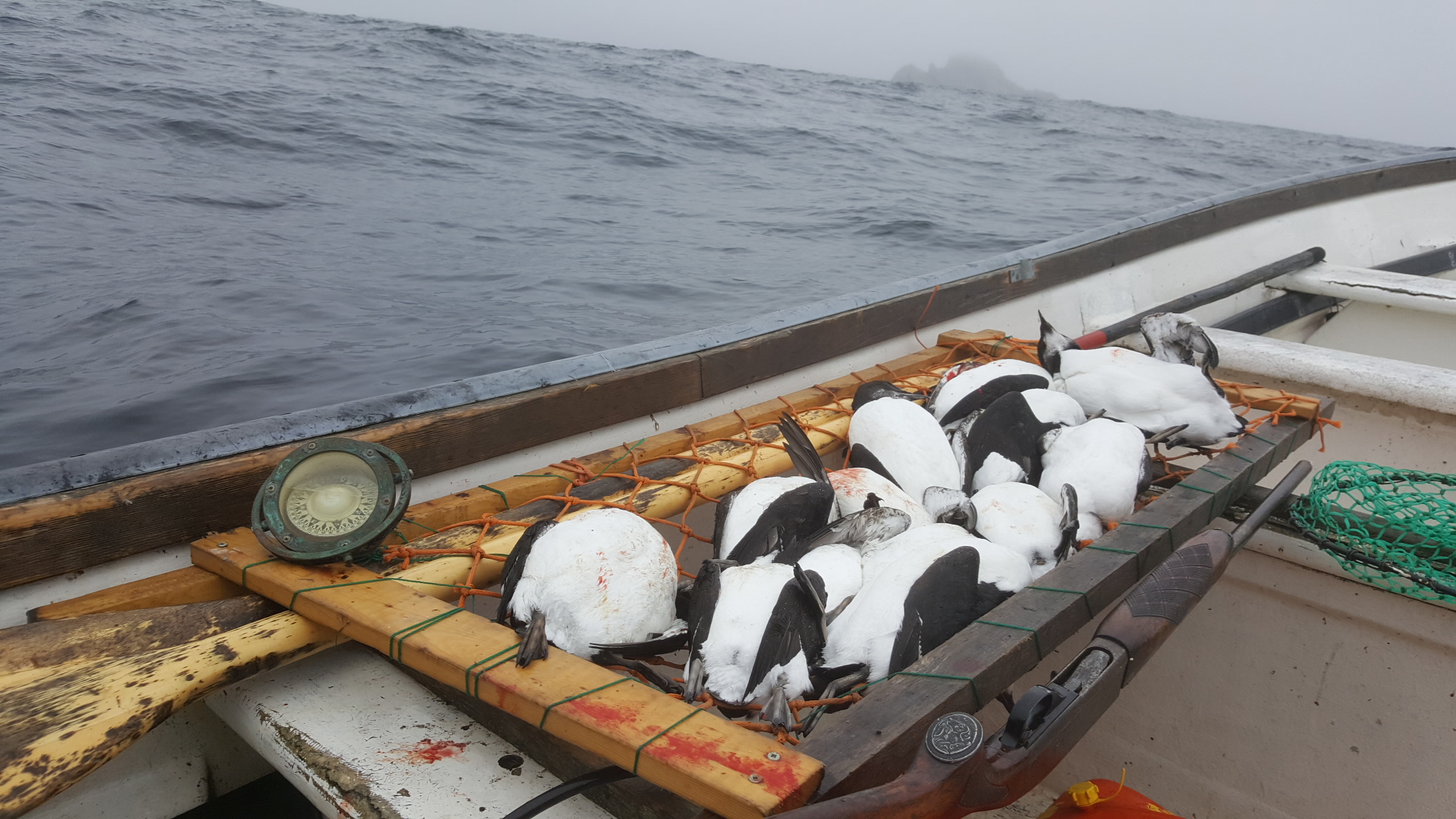
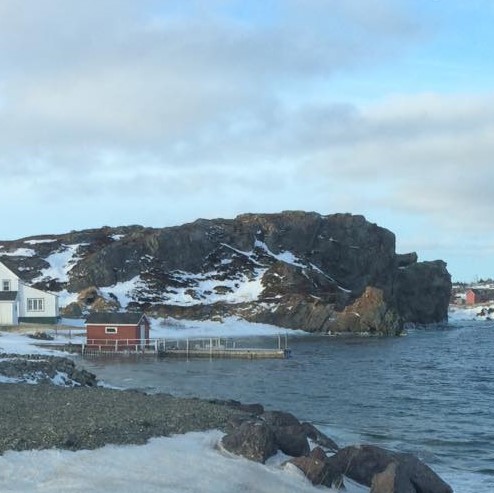
A CLOSE CALL By JOHN GILLETT The morning of Saturday October 30, 1971 was calm and cool, wood smoke from the chimneys was drifting slowly straight up in the air as I walked down the wharf towards a small fishing boat. Dawn was just breaking showing a blood red sky towards the east as Clarence Oxford, my good friend and neighbor and I slowly left the dock at Gillesport on Twillingate Island, Newfoundland with our guns and shells aboard to hunt Turrs a Newfoundland seabird that is a delicacy to many of us. Caution was always told to me about a red sunrise as it was a bad weather breeder usually rain and high winds. I knew the forecast wasn't good but the bad weather was not suppose to come on before evening. We were pushing the envelope, but I was in trade school in Grand-Falls taking a electrical course. My wife Linda and I, my two children Sherry and Richard were renting a basement apartment in Grand Falls but we still had our house in Twillingate. So on Thursday night I called Clarence to see if he was going hunting and he told me he go if I came out, he had his boat all ready. Clarence and I did a lot of hunting together over the years. Getting Turres for part of our winter food have been in our culture for centuries plus they are good eating and Saturdays were the only days that I could hunt because I had school the rest of the week, also if time allowed we were going to catch some codfish to salt for our winter supply. It was illegal to hunt on Sunday at that time or we were told it was illegal. White sided dolphins raced through the water along side or boat and would jump high in the air causing small rainbows in the sun light as we headed from land. Clarence and I were in good spirits when we killed our first Turrs just a few miles from land. The water was shiny claim and the reflection of the black and white birds illuminated off the water like a mirror has they flew just out of range was invigorating and increased our hunting spirit but something didn't seem right, Turrs usually didn't fly when there wasn't any wind but this day there were flocks and flocks of them flying and in towards the land. I was told later by a old fisherman that's what the sea birds does when there's going to be a big blow of off wind. Clarence was at the engine, a 15 horse power outboard motor and we idled off from the land killing birds as we went. Every once in awhile light wind from the Southeast would ruffle the surface of the ocean in places and the calmness would disappear. We never saw another boat with hunters in it all the while we went off land. We saw a few small boats fishing for cod just off the land early in the morning and we waved to them as we went by. Gus Pelley and his son Edwin were setting trawls on the Gull Island ground and Harvey Pelley was hand lining cod on a fishing ground called Bradley. We were about seven miles off of Twillingate Long Point when right out of nowhere a strange feeling came over me and a thought came in my mine to turn around and head back. This never happened to me before or since because when I was hunting seals or birds I always wanted to go further off shore and very seldom would I even look towards the land. I was the gunner up in front of the boat, this taught was so strong that I turned around and told Clarence that I think we had enough birds and maybe we should head in. Clarence agreed and said that "we would kill more on the way in." I didn't mention about the feeling I had to Clarence. Clarence gave the engine a little more gas as the little boat slipped swiftly through the water towards land that loomed in the distance. We may have went a mile when the engine gave out, the drive shaft had twisted off. I put out the paddles and started rowing by this time wind was starting to blow and all the calm water was now gone. Clarence put a rubber jacket on a dip net which was a signal of distress and raised it high pinning it to stay up hoping that the light house keeper would see us. It would be very unlikely that anyone would see us from the land unless we were reported missing and the lighthouse keepers would be scanning the ocean with a telescope. I didn't share this thought with Clarence. I was sitting down on the seat pulling the paddles and Clarence was standing helping me paddle by pushing the paddles. We were about six miles off making good headway. I was young in my twenties and didn't mine rowing but Clarence was in his forties, it was a little harder on him. Gradually the wind picked up from the Southeast, white caps were starting and squalls of wind would hit our little boat. Minutes went by and we did not talk, reality was starting to kick in especially when we crossed a tide rip and the head of the boat dipped and the back of the boat dipped and water poured into the boat. Two hours went by and we were making very little head way. Clarence was getting discouraged as he bailed water and saying we were done for and how his poor old aging mother was going to take it if he was lost because she already lost one son to the sea. Clarences brother Harry Oxford was lost overboard in a late November gale in 1940 eight miles off Cape Race aboard the sailing schooner Grace Beohner while he and another crew member Frank Guy were lashing cargo that had come lose on deck in the storm. Both men were washed overboard Frank got washed back aboard the schooner but Harry who was mate didn't, his body was never found. This was playing heavy on Clarences mind thinking more about what his elderly mother would go through if anything happened to him rather than what was facing us. Blood was starting to squeeze out between my fingers from the rubbing from the lum of the paddles on the palm of my hands. My hands were not as calloused now as they were when I was a teenager and had paddles in my hands nearly every day rowing a punt around Jenkins Cove in the summer and in the fall with Howard Linfield, Harry Stockley, and Bruce Roberts we would row around in Twillingate bite killing Bull Birds, Puffins and Turrs. We can only hunt Turrs (Murres) legally now since joining Canada in 1949. Clarence told me he took a mark on the land and we were losing ground our boat was been pushed away from the land. I told Clarence that the signal we had up was like a sail dragging us back but he wouldn't take it down, he truly believed that the light keepers would see us. We decided that we would give it all we had and try and to get within seeing distance of Gus and Edwin who would now be hauling back their trawls. Within fifteen minutes we were exhausted. Things were looking very grime for Clarence and I. Water was now coming over the sides of the sixteen foot boat and Clarence was slowly bailing it out. I stood up and dipped my hands in the cold ocean water washing the blood from my hands and letting the cool water ease the pain in my hands that were now gone crooked and stiff. I glanced up towards the west and I could see way off in the distance a boat or a big ship, it looked like a paper boat that traveled to Botwood, Newfoundland to pick up rolls of newspaper from the Grand Falls paper mill then carrying it around the world. Clarence and I started rolling again because this boat was inside of us and we wanted to make sure we get close enough for them to see us. With new vigor and optimism we gave everything we had, this was our last chance to be rescued. Closer and closer the boat was still coming towards us. We had it all planed that I would cut the sleeve out of my sweater and tie it to a gaff handle pour gas on it, light it and make a fire signal, there wasn't any flares around then. As the boat got closer we could see it was a trap skiff with a speed boat in tow. The wind and the water had distorted it's view. It was pasting just inside of us, they had to see us so we didn't use the gas and my sweater sleeve. Clarence was waving the coat signal and I was firing the guns making sure they saw us. "They turned towards us" Clarence said. They seen us but then they turned sharply away. My heart sank this is our last chance and I started firing the guns again and Clarence was waving the coat and shouting I doubt if they could hear him. The skiff continued to the east and away from us then they started shooting, they had seen a big flock of birds in the water. They had seen us but wanted to get the birds before coming for us. Finally the skiff headed for us, what a relief . When they pulled up along side I recognized one of the men but not the other two. The skiff belong to Roy Anstey a cod trap fisherman from Purcells Harbour on the eastern side of Twillingate Island. The other men were Steward Bastow from St. John's and Stewards friend John Johnson. Steward is Roys cousin and every year at that time he would try and come to Twillingate to get his winter supply of birds. We were very lucky that day that Roy and his friends came to our aid. John Johnson as since pasted on. Submitted By: john gillett
Downhome no longer accepts submissions from users who are not logged in. Past submissions without a corresponding account will be attributed to Downhome by default.
If you wish to connect a submission to your new Downhome account, please create an account and log in.
Once you are logged in, click on the "Claim Submission" button and your information will be sent to Downhome to review and update the submission information.
MORE FROM DOWNHOME LIFE
Recipes
Enjoy Downhome's everyday recipes, including trendy and traditional dishes, seafood, berry desserts and more!
Puzzles
Find the answers to the latest Downhome puzzles, look up past answers and print colouring pages!
Contests
Tell us where you found Corky, submit your Say What captions, enter our Calendar Contest and more!